Sattva Ekatra Project Documents and NOC

Featured Image of Sattva Ekatra Project Documents and NOC


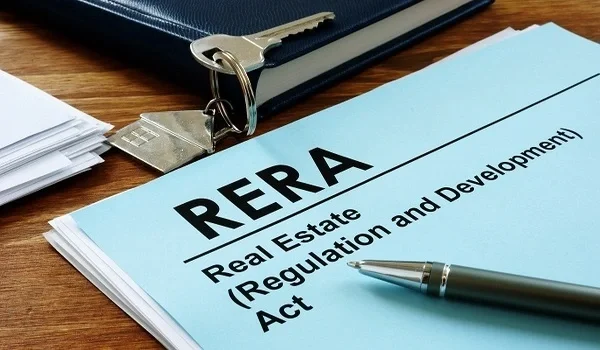
Sattva Ekatra project documents should include its RERA certificate, land title papers, approved layout, land-use records and applicable NOCs. These papers serve different purposes. Title deeds establish ownership, the layout shows approved plots and roads, and NOCs record clearances from the relevant departments. Sattva publishes the project’s RERA number as PRM/KA/RERA/1250/301/PR/180926/008945.

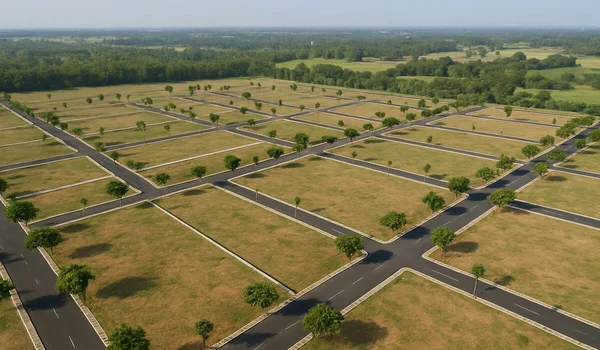
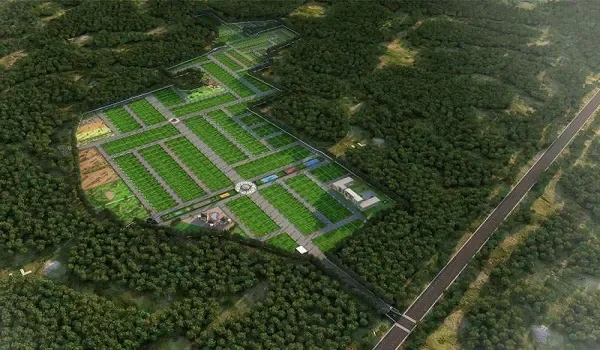
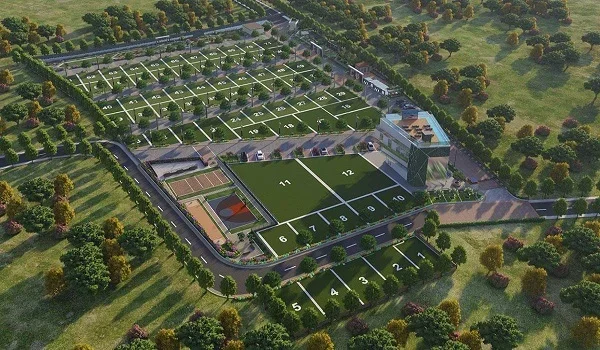
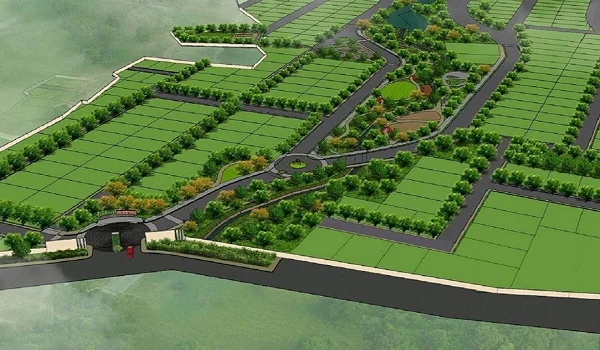
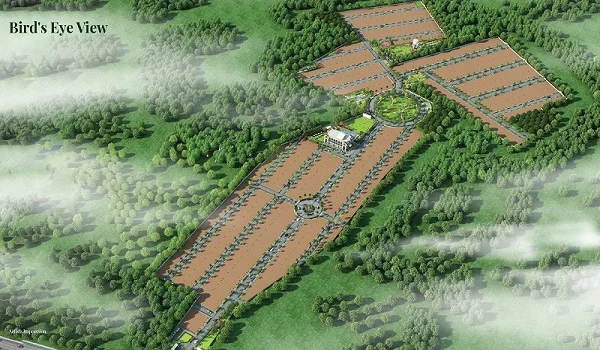
Sattva Ekatra is a 24-acre plotted development off Doddaballapur Main Road in North Bangalore. Published plot formats include 20 × 30 ft, 30 × 40 ft and 40 × 50 ft, or 600, 1,200 and 2,000 sq. ft. The document check must cover the exact plot being purchased. Match its number, area and boundaries across the approved plan, allotment letter and sale agreement.

Important Sattva Ekatra Project Documents to Check


1. RERA Registration Certificate

Start with the full registration certificate. Match the project name, legal promoter, registered land area and completion date with the booking papers. Check whether your plot falls within the registered project or phase.

The Sattva brand name and the seller’s legal company name may differ. The documents should clearly show which entity is selling the plot and who has authority to sign.

2. Title Deeds and Ownership History

Ask for the deeds that show how the present owner acquired the project land. These may include earlier sale deeds and other papers needed to trace ownership.

If the developer is working with a separate landowner, check the development agreement and any power of attorney. These must give the seller the right to develop and sell the relevant land. Have a property lawyer review the ownership chain before a large payment.

3. Encumbrance Certificate

An Encumbrance Certificate, or EC, helps identify registered transactions affecting the land during the period searched. Check the survey numbers, owner names and any mortgage entries.

An EC needs to be read with the title papers. It does not settle every possible dispute or prove that all approvals are in place. If a lender has a charge over the land, ask how it will be released for your plot.

4. Land-Use and Conversion Papers

Check that the land can lawfully be used for the approved residential layout. Where conversion from agricultural use is required, obtain the relevant order and review its conditions.

The survey numbers and land extent should match the project papers. A conversion order concerns land use; it does not replace layout approval.

5. Approved Layout Plan and Sanction Letter

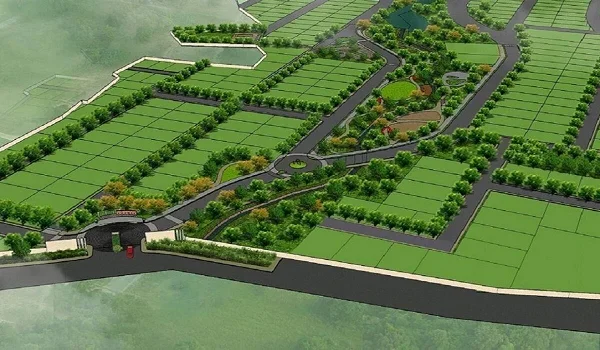
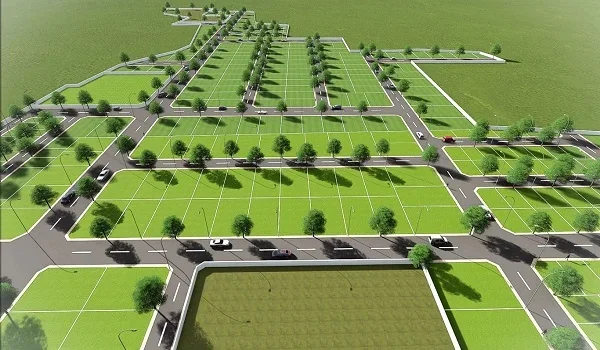
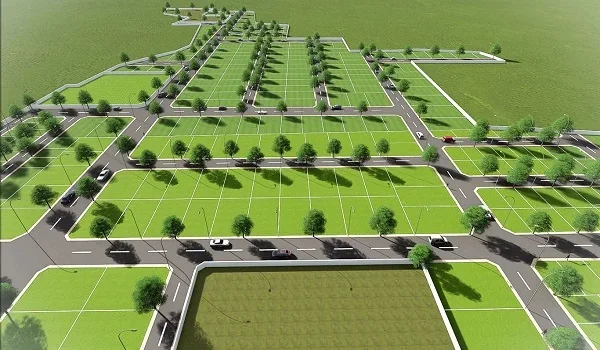
Ask for the authority-approved layout, along with its sanction letter and conditions. The plan should show plot numbers, dimensions, roads, parks and civic amenity land.

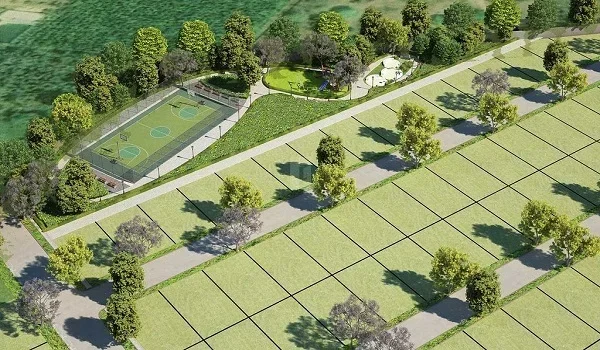
For a 30 × 40 ft plot, the stated area should be 1,200 sq. ft. Check its location and boundaries as well. A sales brochure or coloured master plan is useful for viewing the layout, but the sanctioned plan is the document to compare before purchase.

6. Plot Release Order, Where Applicable

Some layout approvals place conditions on when plots can be released for sale. Ask whether your chosen plot requires a release order and, if so, whether its number appears in that order.

This is a plot-specific check. Approval of the wider layout should not be treated as proof that every plot has met all release conditions.

RERA’s registration requirements cover title declarations, applicable approvals, sanctioned plans and draft buyer agreements. Each document answers a different part of the purchase check.

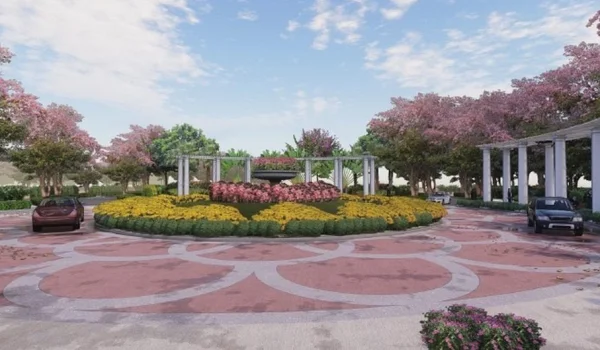
Which NOCs Are Relevant to Sattva Ekatra?


NOC means No Objection Certificate. The exact set depends on the land, approved works and conditions imposed by the authorities. It is not one certificate that covers the whole project.

For Sattva Ekatra, request a written list of applicable clearances and copies of those already issued. Each copy should show the issuing department, reference number, date, land details and conditions. A complete project-specific NOC set has not been verified here.

Electricity Approval

Ask for the electricity sanction or clearance applicable to the layout. Check what it covers, including the supply arrangement, transformers and internal network.
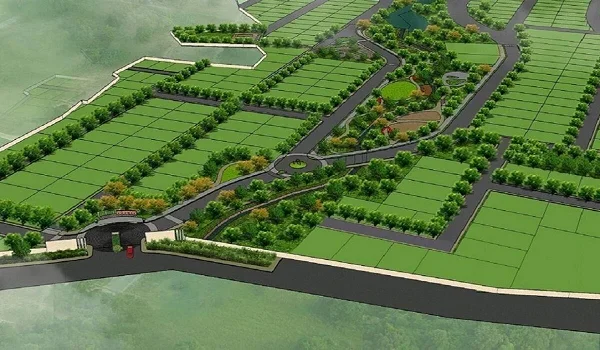
An underground cable network and an active electricity connection are separate matters. Confirm the steps and charges for connecting your future home.

Water and Drainage Clearances

Review the approved water source and the arrangements for sewage and stormwater. Ask who will supply water, who will run the sewage treatment system and which permissions apply.

A water tank shown in the plan does not confirm a fixed daily supply. The agreement should explain the services promised at handover.

Environmental and Other Clearances

Ask which pollution-control permissions or other environmental approvals apply to the development. Check their scope and any conditions still to be met.

Fire, airport, highway or other NOCs depend on the project’s location and proposed works. They should not be assumed to apply simply because they appear on a general property checklist.

Sattva Ekatra Land Records and Survey Documents


The land records should match the title deeds and approved layout. Ask for the relevant RTC, mutation records and survey documents. Karnataka’s Bhoomi system maintains RTC and mutation information.

The RTC records land details, while mutation entries record changes in the revenue records. Read them alongside the registered deeds. They should form a consistent chain rather than show unexplained differences in names or land extent.

Survey papers also help locate the site on the ground. Check access, boundaries and any adjoining roads or water bodies. A visit with the approved plan can reveal differences that a brochure will not show.

Sale Agreement, Sale Deed and Khata


The sale agreement records the terms of purchase. It should state the plot, price, payment schedule, promised works and handover terms. Read its cancellation and delay clauses before signing.

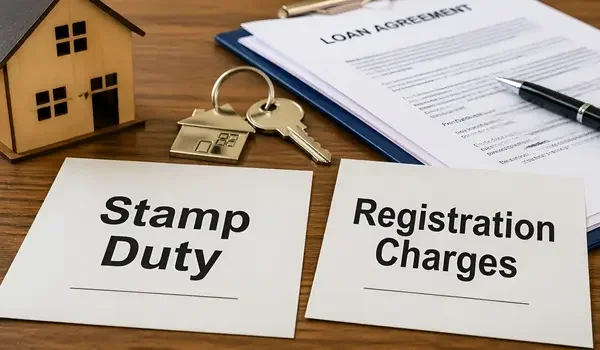
The sale deed records the transfer of ownership. Check that it carries the correct plot details and is signed by an authorised seller. Confirm the registration process and all charges in advance.

The khata or relevant local property record serves an administrative and tax purpose. Ask which authority will maintain it and when it can be issued or transferred. It does not replace the title deed or sanctioned layout.

Documents to Collect at Plot Handover


At handover, retain the registered sale deed, payment receipts, possession letter and a final plot plan. Obtain applicable completion or release papers and the details needed for property-record transfer.

Check the physical plot against the documents. Confirm its boundaries, road access and service points. Record any unfinished work in writing, with a date for completion.

Buying a plot also does not give automatic permission to build any house design. Your future home must meet the building rules and approval process that apply at that time.

FAQs


1. What is Sattva Ekatra's RERA number?

The published number is PRM/KA/RERA/1250/301/PR/180926/008945. Match it with the registration certificate before booking.

2. Are all Sattva Ekatra NOCs confirmed?

A full set has not been verified here. Request the project's applicable NOC list and issued copies from the promoter.

3. Does RERA registration replace layout approval?

No. Review the RERA certificate and the sanctioned layout separately. They serve different purposes.

4. Which document confirms my plot's approved location?

The sanctioned layout identifies the plot within the approved development. Match it with the agreement and sale deed.

5. Is an Encumbrance Certificate enough to buy a plot?

No. Check it with the title chain, land-use papers, layout approval and plot-specific sale documents.

6. Can I start building after registering the plot?

Registration alone does not approve a house plan. Check plot release conditions, service readiness and the required building permission first.

Sattva Ekatra Blog


Enquiry
Enquire Now