Sattva Ekatra Escrow and Payment Protection

Featured Image of Sattva Ekatra Escrow and Payment Protection


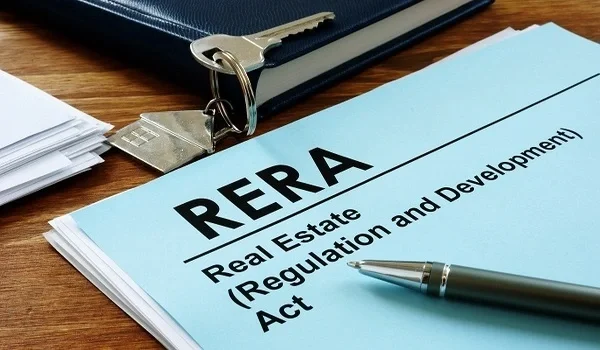
Sattva Ekatra payment protection rests on RERA rules, a registered sale agreement and verified bank payments. Under RERA, 70% of the amounts collected from buyers for a project must go into a separate bank account for its land and development costs. This is often called an escrow account, though it is not a personal account that holds each buyer’s money until plot handover.

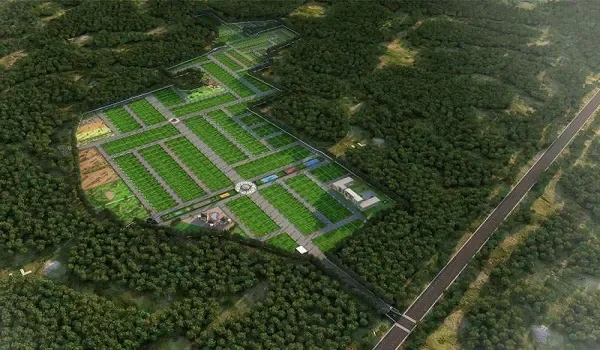
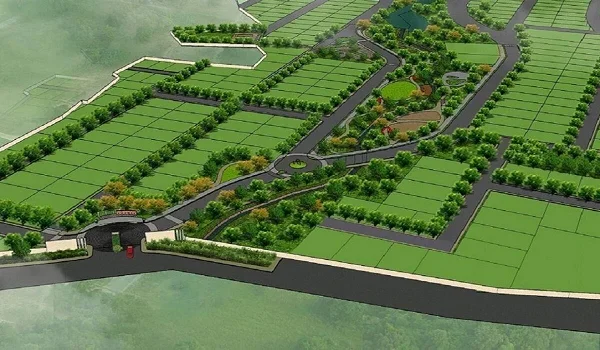
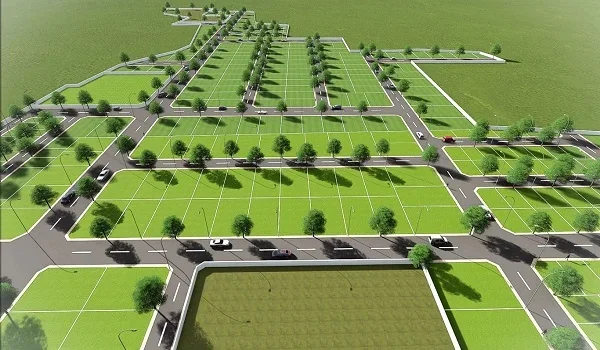
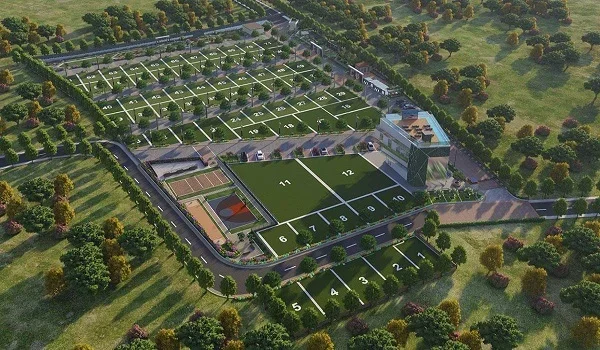
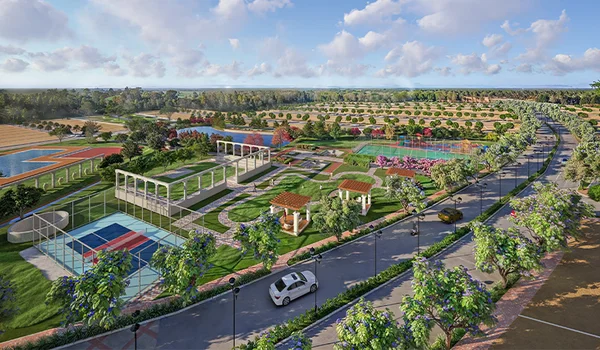
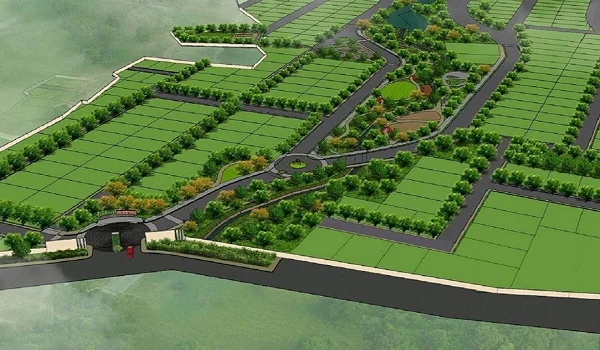
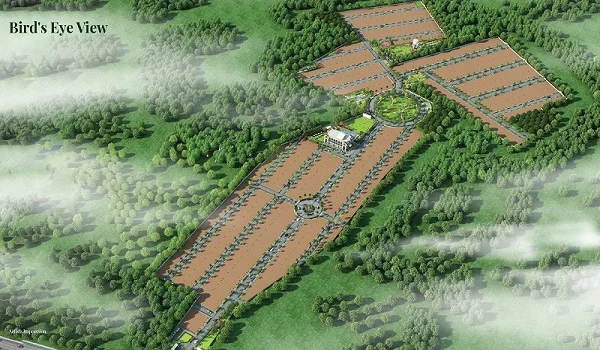
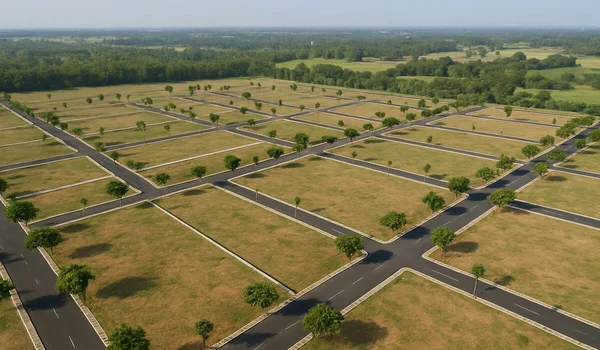
Sattva Ekatra is a 24-acre plotted development off Doddaballapur Main Road in North Bangalore. Its published RERA number is PRM/KA/RERA/1250/301/PR/180926/008945. Plot options include 20 × 30 ft, 30 × 40 ft and 40 × 50 ft, equal to 600, 1,200 and 2,000 sq. ft. Before paying, match the project registration, plot number and seller’s legal name with the booking papers.
How Does the Sattva Ekatra Escrow Account Work?


The RERA separate account sets aside project funds for a defined purpose. The promoter must use the protected funds for the same project’s land and development costs. The rule aims to reduce the risk of buyer money being diverted to other projects.


Withdrawals must follow the project’s progress. They require certification by an engineer, an architect and a chartered accountant. The promoter must also arrange an annual audit to check how the funds were used.

For buyers, this means there are controls on project spending. It does not mean the bank promises completion or gives an automatic refund if a dispute arises. The sale agreement and the buyer’s legal rights remain vital.

Does the 70% RERA Rule Protect the Full Plot Payment?


The rule applies to project collections rather than a separate balance for each plot buyer. Your payment joins the project’s funds, and the required share must be set aside under RERA.

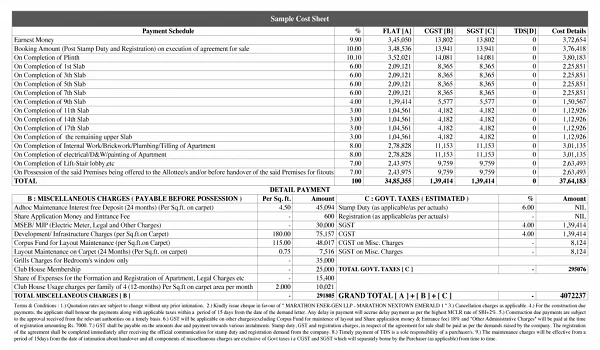
For a simple example, if ₹10 lakh is collected towards the plot price, 70% equals ₹7 lakh. This illustrates the rule; it is not a record of an actual Sattva Ekatra payment. Taxes and other charges may need different treatment, so check the cost sheet before applying the percentage to the full invoice.

The remaining share is not a measure of how much money is “unsafe.” Payment protection also depends on valid documents, lawful use of funds and the promoter meeting the agreed terms.

Sattva Ekatra Booking Amount and the 10% Limit


RERA places a clear limit on advances collected before a registered sale agreement. A promoter cannot accept more than 10% of the plot cost without first entering into a written agreement for sale and registering it.

For a plot costing ₹80 lakh, 10% is ₹8 lakh. If ₹2 lakh has already been paid as a booking amount, it forms part of that total. Calling the next payment an advance or application fee does not remove the limit.

This example is not Sattva Ekatra’s booking offer or payment plan. The actual amount must come from the current booking form. Read its refund and deduction terms before paying, even when the amount is below 10%.

How to Verify Sattva Ekatra Bank Details Before Payment


Get the payment instructions through Sattva’s verified sales channel. The written instructions should state the beneficiary name, bank, branch, account number and IFSC code. Match them with the legal entity named in your agreement.

Do not assume that a bank account is valid because a salesperson sent it on WhatsApp. Confirm it through a separate official contact, especially if the account details change. Avoid paying into an employee’s or agent’s personal account.

The collection account and the RERA separate account may serve different roles. Follow verified written instructions rather than choosing an account based only on the word “escrow.” Ask the promoter to explain the payment route if the documents are unclear.

What Should the Sattva Ekatra Sale Agreement Include?


The agreement should identify the exact plot, its area, boundaries and agreed price. It should also state the payment dates, promised development works and handover terms. A booking form alone may not contain all these details.

For a plotted layout, check what the seller has promised to deliver. Roads, drainage, water supply and power networks can affect whether the plot is ready for use. The agreement should make the scope clear.

Review the default and cancellation clauses as well. Check the interest charged for late buyer payments, the promoter’s duties in case of delay and the terms for a refund. Verbal promises should be put in writing before signing.

Sattva Ekatra Payment Schedule and Development Milestones


Use the payment schedule attached to the signed agreement. Each demand should show the amount due, its basis and the due date. If a payment is linked to a development milestone, ask for the relevant progress details.

Sattva Ekatra lists internal roads, underground electrical and sanitary networks, stormwater drains and sewage treatment facilities among its infrastructure features. These works matter when assessing layout progress. A completed entrance gate does not, by itself, show that all services are ready.

Keep track of the total paid after each instalment. This helps you spot duplicate demands, missed credits or charges that differ from the agreed cost sheet.

Receipts That Help Protect Sattva Ekatra Payments


A bank transfer proves that money was sent. A promoter’s receipt links that transfer to your booking. Keep both records for every payment.

The receipt should show your name, the project and plot number, amount, date and payment purpose. Save the bank reference number with it. If the plot has not yet been allotted, the receipt should carry your booking reference.

Also retain the signed booking form, cost sheet, agreement, demand letters and payment ledger. Check the ledger before the next large payment. Raise any mismatch in writing while the records are easy to trace.

Sattva Ekatra Refund and Delay Protection


A voluntary cancellation and a claim caused by promoter delay are different. If you change your mind, the booking and agreement terms govern deductions, subject to applicable law. A verbal promise of a full refund should not replace written terms.

Where the promoter fails to hand over the plot as agreed, Section 18 of RERA provides remedies. A buyer who withdraws may seek the return of the amount paid with prescribed interest and applicable compensation. A buyer who stays may be entitled to interest for each month of delay until handover.

These rights do not mean a bank releases money on request. Keep the agreed handover date, payment records and correspondence ready when raising a claim.

FAQs


1. Is Sattva Ekatra's escrow bank account publicly confirmed?

The bank name and account number have not been verified here. Obtain current written payment instructions from the promoter before making a transfer.

2. Is my full payment kept untouched until handover?

No. RERA allows project funds to be used for permitted land and development costs under its withdrawal rules.

3. Can Sattva Ekatra collect more than 10% before the sale agreement?

The promoter cannot collect more than 10% of the plot cost before entering into and registering the agreement for sale.

4. Should I pay an agent to reserve a plot?

Pay through the promoter's verified payment route. An agent's personal account does not provide the same clear link between your money and the project booking.

5. Does RERA registration guarantee a refund?

Registration creates duties and legal remedies. It does not make every cancellation fully refundable or turn a refund claim into an automatic bank payment.

6. What should I check before the next instalment?

Check the demand letter, agreed payment schedule, bank details and amount already paid. Resolve any difference in writing before transferring the money.

Sattva Ekatra Blog


Enquiry
Enquire Now